NYLON 6 is a synthetic polymer that is produced through the polymerization of caprolactam.
Its structure gives it a unique combination of strength, elasticity, and resilience, making it a popular choice in various applications. Unlike nylon 66, which is made from two different monomers,
Nylon 6's single-monomer structure results in a smoother texture and greater flexibility, making it ideal for products that require comfort and durability.
polyester is known for its moisture-wicking properties and resistance to shrinking, while polypropylene is lightweight and resistant to staining.
Acrylic, often used as a wool substitute, is soft and warm but lacks some durability compared to Nylon 6.
Understanding these differences helps consumers make informed choices based on their specific needs.
The production of Nylon 6 involves a process called ring-opening polymerization, which is different from the processes used for other fibers.
These variations in manufacturing significantly impact the cost, durability, and environmental footprint of the fibers, making it essential for buyers to consider these factors when selecting materials.
Durability is a critical factor in determining the lifespan of products made from synthetic fibers.
Items that can withstand wear and tear, such as clothing, upholstery, and industrial materials, reduce the need for frequent replacements, leading to lower long-term costs.
Consumers increasingly seek durable options to minimize their environmental impact, as longer-lasting products contribute to less waste.
Synthetic fibers must perform well under various conditions, including exposure to moisture, abrasion, and temperature fluctuations.
Durable fibers like Nylon 6 maintain their structural integrity, ensuring that they do not easily fray, tear, or lose shape.
This performance is essential for products used in demanding environments, such as outdoor gear, where reliability is paramount.
Several factors influence the durability of synthetic fibers, including tensile strength, abrasion resistance, and environmental conditions.
Tensile strength measures a fiber's ability to withstand stretching, while abrasion resistance evaluates how well it can handle friction and wear.
Additionally, environmental factors such as UV exposure and moisture can degrade fibers over time.
Understanding these factors helps consumers choose the most suitable materials for their specific applications.

One of the standout features of Nylon 6 is its impressive tensile strength, which allows it to bear heavy loads without breaking.
This strength makes it an excellent choice for a variety of applications, from heavy-duty industrial fabrics to everyday clothing.
The ability of Nylon 6 to maintain its strength under stress ensures that products last longer, providing added value to consumers.
Nylon 6 is highly resistant to abrasion, making it suitable for products that endure frequent use.
For example, in the fashion industry, Nylon 6 is often used in activewear and outdoor gear, where durability is essential.
The material's resistance to wear helps retain its appearance and performance over time, appealing to consumers seeking longevity in their purchases.
Nylon 6 also exhibits good resistance to environmental factors such as moisture, mold, and UV light.
This resistance makes it a preferred choice for outdoor applications, where exposure to the elements is a concern.
By maintaining its integrity in various conditions, Nylon 6 products can provide reliable performance, making them suitable for outdoor enthusiasts and professionals alike.
The production cost of Nylon 6 can fluctuate based on raw material availability and manufacturing techniques.
While the initial investment may be higher compared to some alternatives, the long-term benefits often outweigh the upfront costs.
Understanding these costs is crucial for businesses and consumers when making purchasing decisions, as they need to evaluate whether the quality justifies the price.
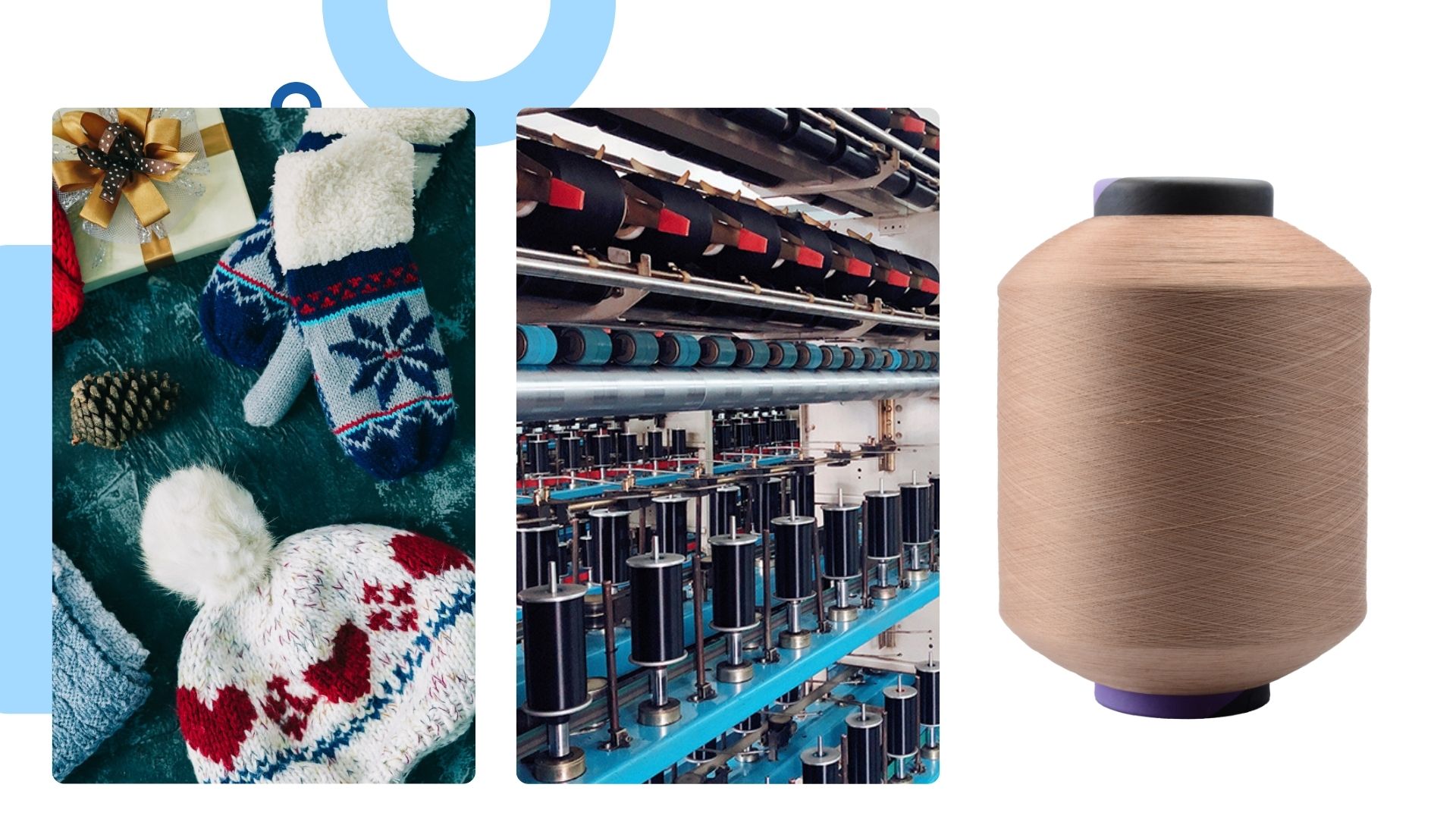
In the market, Nylon 6 may be priced higher than polyester or polypropylene due to its superior properties and manufacturing processes.
However, its durability and performance can lead to lower overall costs when considering product lifespan and maintenance.
Consumers should weigh the initial price against the potential savings from reduced replacement needs, making Nylon 6 a competitive option.
The total cost of ownership encompasses not just the purchase price but also factors like maintenance, replacement frequency, and environmental impact.
While Nylon 6 may require a higher initial investment, its durability often results in lower long-term costs, making it a smart choice for consumers looking for value.
This holistic view of costs helps buyers make informed decisions that align with their financial and sustainability goals.
Nylon 6 is recyclable, which addresses some of the environmental concerns associated with synthetic fibers.
The ability to recycle Nylon 6 helps reduce landfill waste and encourages a circular economy.
Consumers increasingly prefer products that are environmentally friendly, and the recyclability of Nylon 6 can appeal to eco-conscious buyers.
When evaluating the environmental impact of synthetic fibers, it’s essential to consider not only production methods but also the lifecycle of the products.
Nylon 6 has a lower environmental footprint in terms of durability, as long-lasting products require less frequent replacement.
By comparing the overall impact of different fibers, consumers can make choices that align better with their values.

Advancements in technology are paving the way for more sustainable production methods for Nylon 6 and other synthetic fibers.
Innovations such as bio-based feedstocks and more efficient manufacturing processes are helping to reduce the environmental impact of fiber production.
Staying informed about these developments can help consumers choose products that contribute to sustainability.
Nylon 6 is widely used in the apparel industry, particularly in activewear, swimwear, and hosiery.
Its flexibility, durability, and moisture-wicking properties make it an ideal choice for clothing that requires both comfort and performance.
As consumer demand for high-quality, durable clothing rises, Nylon 6 continues to play a significant role in fashion.
Industries such as automotive and aerospace rely on Nylon 6 for components that require high strength and durability.
Its ability to withstand extreme conditions makes it suitable for parts like gears, bearings, and other critical components.
The use of Nylon 6 in these applications highlights its versatility and importance in various sectors.
Nylon 6 is also popular in home textiles, including carpets, upholstery, and curtains.
Its durability and resistance to stains and fading make it an attractive option for home decor.
Consumers appreciate the quality and longevity of products made from Nylon 6, contributing to its widespread use in residential settings.
As consumers become more aware of sustainability and durability, trends in fiber selection are shifting.
Many buyers are opting for materials that offer both performance and environmental responsibility, leading to increased demand for Nylon 6.
Companies that recognize and adapt to these trends can gain a competitive edge in the market.

Brand perception plays a significant role in consumer choices.
Brands that emphasize the quality and durability of their products, particularly those made from Nylon 6, often enjoy increased customer loyalty.
By building a reputation for reliability and sustainability, companies can attract and retain a discerning customer base.
Understanding consumer feedback is essential for companies aiming to improve their products.
By listening to customer experiences regarding performance and cost, businesses can refine their offerings to better meet market demands.
This responsiveness not only enhances product quality but also fosters customer trust and satisfaction.
Investing in products made from Nylon 6 often yields long-term savings due to their durability and reduced need for replacement.
Consumers looking for high-quality items that stand the test of time will find that Nylon 6 products provide excellent value for money.
This perspective is particularly appealing to budget-conscious buyers.
Nylon 6’s versatility makes it suitable for a wide range of applications, from clothing to industrial components.
This adaptability allows consumers to choose Nylon 6 for various needs, simplifying their purchasing decisions.
Its broad applicability contributes to its status as a leading synthetic fiber in the market.
Nylon 6 frequently offers enhanced performance features, such as moisture-wicking and abrasion resistance, which are highly valued by consumers.
These qualities make it a preferred choice for products needing superior performance.
By investing in Nylon 6, consumers can enjoy the benefits of advanced materials that enhance their experience and satisfaction.
Conclusion
In summary, Nylon 6 stands out among synthetic fibers for its durability and cost-effectiveness.
Its unique properties make it suitable for diverse applications, from fashion to industrial use.
When considering the total cost of ownership and environmental impact, Nylon 6 often proves to be a smart investment for consumers and businesses alike.
By understanding these factors, buyers can make informed choices that align with their needs and values.

Copyright © 2019-2022 Zhejiang Leinuo Textile Technology Co., Ltd. All Rights Reserved. Privacy policy Terms and Conditions
 EN
EN  AR
AR NL
NL FR
FR DE
DE HI
HI IT
IT JA
JA KO
KO NO
NO PL
PL PT
PT RO
RO RU
RU ES
ES SV
SV ID
ID LV
LV LT
LT SR
SR SK
SK SL
SL UK
UK VI
VI TH
TH TR
TR FA
FA AF
AF MS
MS SW
SW GA
GA CY
CY BE
BE IS
IS MK
MK YI
YI HY
HY AZ
AZ EU
EU KA
KA HT
HT UR
UR BN
BN BS
BS CEB
CEB EO
EO GU
GU HA
HA HMN
HMN IG
IG JW
JW KN
KN KM
KM LO
LO LA
LA MI
MI MR
MR MN
MN NE
NE PA
PA SO
SO