nylon 6 yarn is a popular choice for fishing nets and marine applications due to its exceptional strength, durability, and resistance to harsh environmental conditions.
Whether you're a commercial fisherman or a manufacturer of marine equipment, choosing the right NYLON 6 yarn is crucial for ensuring performance and longevity.
This article explores the key features, benefits, and selection criteria for the best nylon 6 yarn tailored to fishing nets and marine uses.
Nylon 6 yarn is renowned for its superior tensile strength, which allows it to withstand the heavy loads and stresses encountered in fishing and marine environments.
This strength is particularly important for fishing nets that must endure the weight of catches and the forces exerted by currents and waves.
A strong yarn helps prevent breakage and ensures that nets can perform reliably even under challenging conditions.
The abrasion resistance of nylon 6 yarn is another critical factor for its suitability in marine applications.
Fishing nets and ropes are constantly subjected to friction against rough surfaces, be it rocky seabeds or other marine debris.
Nylon 6's durability against wear and tear means that products made from this yarn last longer, reducing the frequency of replacements and enhancing overall cost-effectiveness for users.
Nylon 6 yarn is highly resistant to UV rays and saltwater, which are common hazards in marine environments.
UV exposure can cause materials to degrade over time, leading to loss of strength and elasticity.
Similarly, saltwater can corrode fibers and weaken their structure.
The inherent resistance of nylon 6 to these elements ensures that nets maintain their integrity and performance over extended periods, providing peace of mind to users who rely on consistent performance.
When compared to other synthetic materials like polyethylene and polypropylene, nylon 6 yarn outshines them in terms of strength, flexibility, and resistance to environmental factors.
While polyethylene may be lighter, it does not offer the same level of tensile strength or durability.
Polypropylene, while affordable, lacks the flexibility and resistance to UV and saltwater that nylon 6 provides, making nylon the preferred choice for demanding marine applications.
Specialty fibers like Dyneema are known for their exceptional performance but often come at a premium price.
Nylon 6 yarn, on the other hand, offers an excellent balance of quality and affordability.
For users who require strong and durable materials without breaking the bank, nylon 6 is a cost-effective solution that delivers reliable performance in various marine applications.

Unlike natural fibers, which can degrade and lose strength when knotted, nylon 6 yarn retains its shape and strength.
This property is crucial for fishing nets where secure and reliable knots are necessary for maintaining the integrity of the net.
The ability to form strong knots without compromising the yarn's strength enhances the overall effectiveness of fishing nets and ensures reliable performance.
The denier and filament count are critical factors that determine the thickness and strength of the yarn.
Higher denier yarns are generally stronger and more durable, making them suitable for demanding applications.
When selecting nylon 6 yarn for fishing nets, it's essential to choose the right denier to match the specific requirements of the net, such as the target fish species and the expected environmental conditions.
The twist and ply of the yarn significantly affect its flexibility and strength.
A balanced twist configuration ensures optimal performance for fishing nets, allowing for both strength and flexibility.
Understanding how different twists and plies impact the characteristics of the yarn can help users make informed choices that align with their specific needs.
Choosing UV-stabilized yarn in appropriate colors (e.g., dark green or blue) helps camouflage nets and prolongs their lifespan.
The color not only aids in blend-in with the marine environment, which can enhance catch efficiency, but UV stabilization prevents degradation from sun exposure, ensuring that the nets maintain their strength and elasticity over time.

Nylon 6 yarn does not absorb water easily, making it resistant to rot and mildew—common issues in marine applications.
This property is particularly important for fishing nets that are frequently submerged in water.
The ability to resist moisture-related degradation ensures that nylon 6 yarn remains functional and reliable in wet conditions, contributing to the longevity of the nets.
Nylon 6 maintains its strength and flexibility in both hot and cold temperatures, ensuring reliable performance in diverse climates.
This thermal stability is crucial for marine applications, where temperature fluctuations can be extreme.
Users can rely on nylon 6 yarn to perform consistently, regardless of the weather conditions.
Its low water absorption rate prevents swelling and weakening, keeping nets lightweight and easy to handle.
This characteristic is especially beneficial during retrieval and storage, as heavy, waterlogged nets can be cumbersome and challenging to manage.
By maintaining a low weight, nylon 6 yarn contributes to the overall efficiency of fishing operations.
The strength and flexibility of nylon 6 yarn improve the durability and effectiveness of fishing nets, leading to better catch rates.
A robust net can withstand the struggles of fish, while its flexibility allows it to adapt to various conditions.
This combination results in nets that perform optimally, increasing the likelihood of successful catches.

Nylon 6's resistance to abrasion and environmental factors reduces the need for frequent repairs or replacements.
By opting for this durable material, users can save on maintenance costs and time, allowing them to focus on their primary fishing or marine activities.
Some nylon 6 yarns are made from recycled materials, offering a sustainable choice for environmentally conscious users.
These eco-friendly options provide the same performance benefits as traditional nylon 6 yarn while minimizing environmental impact, appealing to those who prioritize sustainability in their purchasing decisions.
Consider the specific demands of your application, such as net size, target fish species, and environmental conditions.
Understanding these factors will help guide the selection process, ensuring that the chosen yarn meets all operational needs and provides the necessary strength and durability.
Choose a reputable supplier with a track record of providing high-quality nylon 6 yarn for marine applications.
Researching supplier reviews, certifications, and product offerings can provide insight into their reliability and product quality, ensuring that you receive the best materials for your needs.
Request samples to test the yarn's performance in real-world conditions before making a bulk purchase.
Conducting tests allows you to evaluate the yarn's strength, flexibility, and durability under conditions specific to your operational environment, ensuring that you make an informed choice.
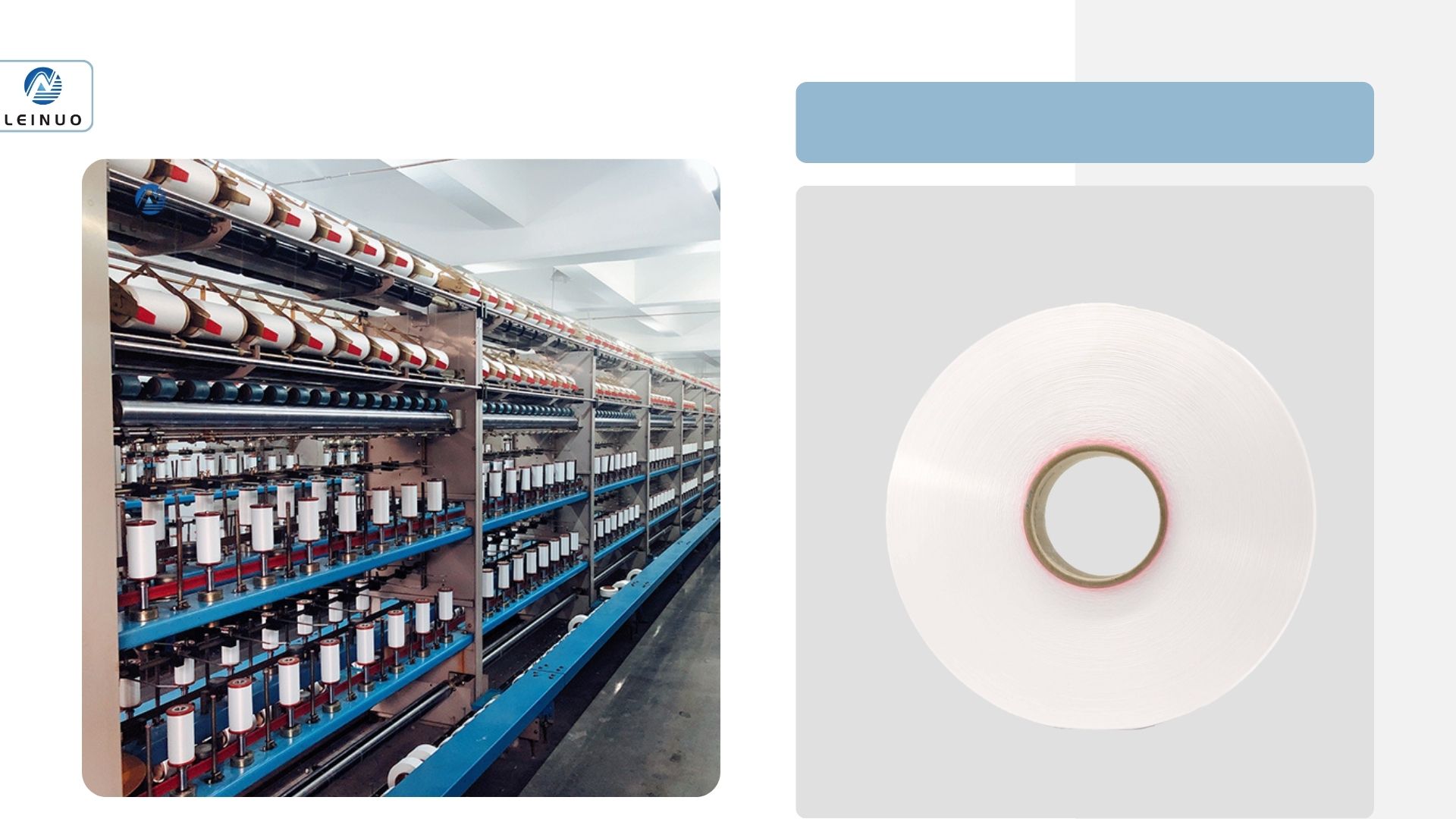
New coatings that prevent the growth of algae and barnacles on nets reduce maintenance and improve performance.
These innovations help keep nets cleaner and more efficient, minimizing the need for frequent cleaning and enhancing their effectiveness in the water.
High-tenacity nylon 6 yarn offers even greater strength and durability for demanding marine applications.
These variants are designed to withstand extreme conditions, making them ideal for heavy-duty use where standard nylon 6 might not suffice.
Innovations in recycling technology have made it possible to produce eco-friendly nylon 6 yarn without compromising quality.
These advancements ensure that users can choose sustainable materials that align with their environmental values while still benefiting from the superior performance of nylon 6.
Routine cleaning and inspection help identify and address wear and tear before it becomes a major issue.
Regularly checking for signs of damage or deterioration allows for timely repairs and prolongs the life of the nets, ensuring they remain functional and effective.
Storing nets in a cool, dry place away from direct sunlight extends their lifespan and maintains their performance.
Proper storage prevents exposure to harmful UV rays and minimizes the risk of mildew or rot, safeguarding the integrity of the nylon 6 yarn.
Promptly repairing small tears or damages prevents them from worsening and ensures the net remains functional.
Addressing issues as they arise helps maintain the overall performance of the net while prolonging its usable life.

Conclusion
Nylon 6 yarn is an exceptional material for fishing nets and marine applications, offering unmatched strength, durability, and resistance to harsh conditions.
By understanding its key features, benefits, and selection criteria, you can choose the best nylon 6 yarn for your needs.
Whether you're looking to improve catch efficiency, reduce maintenance costs, or adopt sustainable practices, nylon 6 yarn is a reliable and cost-effective solution.
Invest in high-quality nylon 6 yarn today to enhance the performance and longevity of your fishing nets and marine equipment.

Copyright © 2019-2022 Zhejiang Leinuo Textile Technology Co., Ltd. All Rights Reserved. Privacy policy Terms and Conditions
 EN
EN  AR
AR NL
NL FR
FR DE
DE HI
HI IT
IT JA
JA KO
KO NO
NO PL
PL PT
PT RO
RO RU
RU ES
ES SV
SV ID
ID LV
LV LT
LT SR
SR SK
SK SL
SL UK
UK VI
VI TH
TH TR
TR FA
FA AF
AF MS
MS SW
SW GA
GA CY
CY BE
BE IS
IS MK
MK YI
YI HY
HY AZ
AZ EU
EU KA
KA HT
HT UR
UR BN
BN BS
BS CEB
CEB EO
EO GU
GU HA
HA HMN
HMN IG
IG JW
JW KN
KN KM
KM LO
LO LA
LA MI
MI MR
MR MN
MN NE
NE PA
PA SO
SO