In the competitive landscape of Australian manufacturing, resource utilization has become a critical factor for businesses aiming to reduce costs, minimize environmental impact, and maintain long-term sustainability.
From raw material sourcing to production efficiency and end - of - life management, every step of the manufacturing process presents opportunities to optimize how resources are used.
NYLON 6, a versatile and widely used polymer, has emerged as a game - changer in this regard.
This article will break down what makes nylon 6 stand out, how it addresses key resource challenges faced by Australian manufacturers, and why it has become a go - to material for those looking to boost resource efficiency without compromising on performance.
Nylon 6, also known as polycaprolactam, is a thermoplastic polymer that belongs to the polyamide family.
Its chemical structure gives it a combination of strength, flexibility, and durability that is hard to match with many other materials.
This broad applicability means that improvements in resource utilization through Nylon 6 can have a far - reaching impact on the country’s manufacturing industry as a whole.
One of the key reasons Nylon 6 is beneficial for resource optimization is its efficient production process.
During the manufacturing of Nylon 6, the raw materials are converted into the polymer with a relatively high yield rate.
This means that a large percentage of the raw materials used end up in the final product, reducing the amount of waste generated during production.
Compared to some other polymers where significant amounts of raw materials are lost due to complex chemical reactions or inefficient processing, Nylon 6’s production process helps Australian manufacturers get more value out of every unit of raw material they purchase.
Durability is another crucial aspect of Nylon 6 that contributes to resource optimization.
Products made from Nylon 6 have a longer lifespan compared to those made from less durable materials.
This means that manufacturers do not have to produce replacement parts as frequently, which in turn reduces the demand for raw materials, energy, and other resources needed for manufacturing new parts.
Over the long term, this leads to significant savings in resource consumption for Australian manufacturers.
Traditionally, Nylon 6 has been produced using petrochemical feedstocks.
However, in recent years, there has been a growing shift towards using bio - based feedstocks in Nylon 6 production.
Bio - based feedstocks, such as plant - derived oils, offer a renewable alternative to petrochemicals.
This means that Australian manufacturers using Nylon 6 have the option to reduce their dependence on non - renewable petrochemical resources.
The high strength - to - weight ratio of Nylon 6 is a major advantage when it comes to reducing raw material usage.
This property means that a small amount of Nylon 6 can provide the same level of strength as a larger amount of other materials.
This allows Australian manufacturers to use less material per product, reducing the overall amount of raw materials they need to source.
This not only lowers raw material costs but also reduces the environmental impact associated with raw material extraction and transportation.
Recyclability is a key feature of Nylon 6 that helps reduce raw material dependence. Nylon 6 can be easily recycled and reused in the production of new products.
After a product made from Nylon 6 reaches the end of its lifecycle, it can be collected, processed, and turned into new Nylon 6 material.
This closed - loop system means that manufacturers do not have to rely solely on virgin raw materials. Instead, they can incorporate recycled Nylon 6 into their production processes, reducing the demand for new raw materials.
The melting point of a material plays a significant role in the energy required for its processing.
Nylon 6 has a relatively lower melting point compared to many other engineering plastics, such as Nylon 6,6 or polycarbonate.
This means that less energy is needed to melt Nylon 6 during the manufacturing process, whether it is being molded into components or extruded into films or fibers.
Another factor that contributes to energy efficiency in Nylon 6 manufacturing is its fast crystallization rate.
When Nylon 6 is processed, it crystallizes quickly after being melted and shaped.
This shortens the time required for each production cycle.
This not only increases production throughput but also reduces the amount of time that machines are running, thereby saving energy.
Australian manufacturers can produce more products in less time while using less energy, improving their overall operational efficiency.
The lightweight nature of Nylon 6 also has a positive impact on energy efficiency beyond the manufacturing plant.
Products made from Nylon 6 are lighter than those made from heavier materials such as metal or some other plastics.
This means that less energy is required to transport these products from the manufacturing facility to distribution centers, retailers, and ultimately to customers.
For Australian manufacturers that operate on a national or international scale, the energy savings from transporting lighter products can be substantial.
Reduced transportation energy consumption not only lowers costs but also reduces greenhouse gas emissions, aligning with Australia’s sustainability goals.
During the production of Nylon 6, the chemical reactions involved are relatively clean, generating minimal by - products.
In many cases, the small amount of by - products generated can be recycled back into the production process or used for other industrial applications.
This minimizes the amount of waste that Australian manufacturers need to send to landfills or treat as hazardous waste, reducing their environmental impact and associated waste management costs.
In any manufacturing process, there is bound to be some scrap and off - cuts generated.
With Nylon 6, this scrap is not a lost resource. Nylon 6 scrap and off - cuts can be collected, ground into pellets, and reprocessed into new Nylon 6 material.
This reprocessing process is relatively simple and cost - effective, allowing Australian manufacturers to recover value from their waste.
This not only minimizes waste generation but also lowers production costs, improving the bottom line for manufacturers.
Products made from Nylon 6 are highly resistant to degradation from factors such as moisture, chemicals, and UV radiation.
This resistance means that the products are less likely to break down or become damaged during use, reducing the amount of product waste generated.
This reduces the amount of agricultural waste and the need to produce new netting, saving resources for Australian manufacturers and farmers alike.
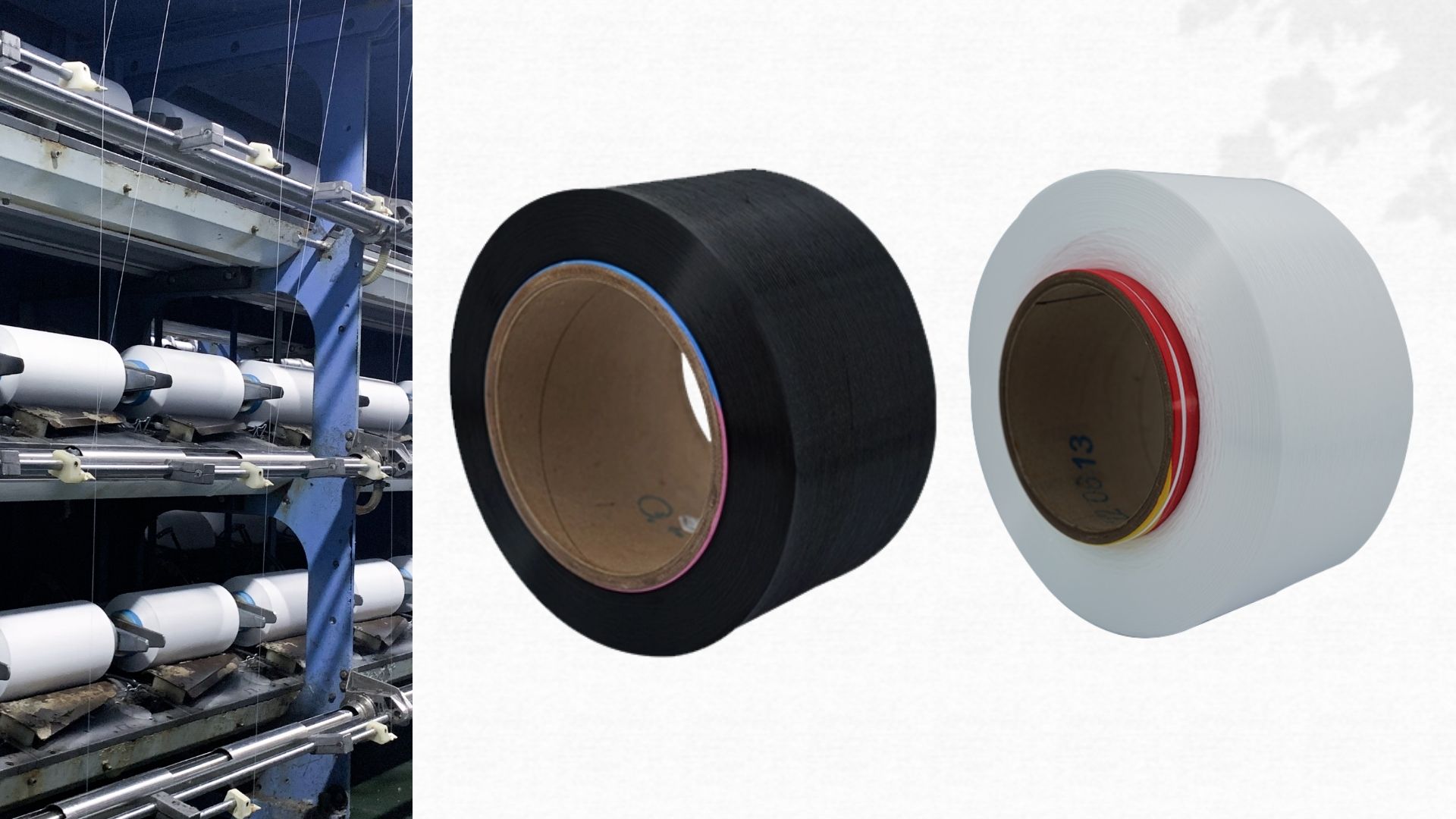
When products made from Nylon 6 reach the end of their lifecycle, they do not have to end up in landfills.
Nylon 6 is recyclable through a variety of methods, including mechanical recycling and chemical recycling.
Mechanical recycling involves grinding the used product into small pieces, melting it down, and reshaping it into new products.
Chemical recycling, on the other hand, breaks down the Nylon 6 polymer into its basic chemical components, which can then be used to produce new Nylon 6 or other chemicals.
The availability of multiple recycling methods means that Australian manufacturers and waste management companies have flexible options for handling end - of - life Nylon 6 products, increasing the likelihood that these products are recycled rather than discarded.
In addition to recycling, Nylon 6 can also be composted under specific industrial conditions.
Industrial composting facilities use high temperatures, moisture, and microorganisms to break down organic materials.
While Nylon 6 is not a naturally organic material, certain types of Nylon 6 that are modified with biodegradable additives can be composted in these facilities.
After composting, the Nylon 6 breaks down into harmless organic compounds that can be used as soil amendment.
Even in cases where Nylon 6 products are not recycled or composted, their environmental impact during disposal is relatively low.
Nylon 6 does not biodegrade quickly in natural environments, which may seem like a disadvantage at first.
Instead, they remain intact, making them easier to collect and recycle in the future if recycling infrastructure improves.
This low environmental impact during disposal helps Australian manufacturers reduce their long - term ecological harm and meet their sustainability commitments.
As mentioned earlier, Nylon 6’s high strength - to - weight ratio allows for less material usage per product.
This directly translates to lower raw material procurement costs for Australian manufacturers.
hese savings can add up significantly, especially for large - scale manufacturing operations.
The ability to use recycled Nylon 6 further reduces raw material costs, as recycled materials are often less expensive than virgin raw materials.
The energy - efficient properties of Nylon 6, such as its lower melting point and fast crystallization rate, help Australian manufacturers reduce their energy expenses.
Less energy is needed to process Nylon 6 into finished products, which lowers monthly energy bills.
For manufacturers that operate energy - intensive processes, such as injection molding or extrusion, the savings from using Nylon 6 can be substantial.
Moreover, the reduced energy consumption also helps manufacturers avoid potential energy surcharges or taxes, further improving their cost - effectiveness.
Waste management costs, such as landfill fees, waste collection charges, and hazardous waste treatment costs, can be a significant burden for manufacturers.
With Nylon 6, the amount of waste that needs to be managed is reduced, leading to lower costs in this area.
The revenue generated from selling recycled Nylon 6 scrap can offset some of the costs associated with waste collection and processing, further enhancing the cost - effectiveness of Nylon 6.
When compared to metals, Nylon 6 offers significant weight - related resource savings.
Metals are much heavier than Nylon 6, which means that products made from metals require more energy to transport and often use more raw materials to achieve the same level of functionality.
This not only reduces fuel consumption for the vehicle but also reduces the amount of raw materials needed to produce the components.
In terms of resource utilization, Nylon 6’s lightweight nature gives it a clear advantage over many metals.
Compared to some other plastics, such as polyvinyl chloride (PVC) or polyethylene terephthalate (PET), Nylon 6 has a more efficient production process.
The production of PVC, for example, involves the use of toxic chemicals and generates significant amounts of waste.
PET production, while more efficient than PVC, still has a higher energy requirement and lower yield rate compared to Nylon 6.
Nylon 6’s production process, with its high yield rate and minimal waste generation, makes it a more resource - efficient choice for Australian manufacturers.
Composite materials, which are made by combining two or more different materials, are often used in applications where high strength and durability are required.
However, many composite materials are difficult or impossible to recycle, as the different components cannot be easily separated.
This means that composite products often end up in landfills at the end of their lifecycle, wasting valuable resources. In contrast, Nylon 6 is highly recyclable, as it is a single - component material.
This makes it easier to collect, process, and reuse Nylon 6 products, reducing the amount of waste generated and conserving resources.
For Australian manufacturers that are looking for a material that offers both high performance and good recyclability, Nylon 6 is a better choice than many composite materials.
Conclusion
For Australian manufacturers looking to optimize resource utilization, Nylon 6 has proven to be a versatile, efficient, and cost - effective solution.
From reducing raw material dependence and improving energy efficiency to minimizing waste generation and enhancing end - of - life product management,
Nylon 6 addresses key resource challenges faced by the manufacturing industry.
Its unique properties, such as high strength - to - weight ratio, durability, and recyclability, make it stand out compared to other materials.

Copyright © 2019-2022 Zhejiang Leinuo Textile Technology Co., Ltd. All Rights Reserved. Privacy policy Terms and Conditions
 EN
EN  AR
AR NL
NL FR
FR DE
DE HI
HI IT
IT JA
JA KO
KO NO
NO PL
PL PT
PT RO
RO RU
RU ES
ES SV
SV ID
ID LV
LV LT
LT SR
SR SK
SK SL
SL UK
UK VI
VI TH
TH TR
TR FA
FA AF
AF MS
MS SW
SW GA
GA CY
CY BE
BE IS
IS MK
MK YI
YI HY
HY AZ
AZ EU
EU KA
KA HT
HT UR
UR BN
BN BS
BS CEB
CEB EO
EO GU
GU HA
HA HMN
HMN IG
IG JW
JW KN
KN KM
KM LO
LO LA
LA MI
MI MR
MR MN
MN NE
NE PA
PA SO
SO