Modern NYLON 6 processing equipment isn't just designed for efficiency and output—it's engineered with operator comfort in mind.
Fatigue-reducing ergonomic features are transforming factory floors, helping workers stay productive and injury-free throughout long shifts.
This article explores how thoughtful machine design can significantly improve workplace conditions while maintaining—or even boosting—production performance.
Operator fatigue is a significant concern in Nylon 6 production because it directly affects productivity and output quality.
When operators are tired, their efficiency declines, leading to slower work rates and an increase in errors.
Mistakes in the production process can result in defects that compromise the quality of the final product, necessitating rework and increasing costs.
Fatigued workers face heightened safety risks, particularly in environments where heavy machinery is in operation.
Tired operators may experience slower reaction times and reduced situational awareness, increasing the likelihood of accidents and injuries.
This not only endangers the health and safety of employees but can also lead to costly downtime and potential legal liabilities for the company.
Prioritizing strategies to combat operator fatigue is essential for creating a safer workplace and ensuring the well-being of all staff members.
Comfortable working conditions play a critical role in employee retention, especially in competitive labor markets.
Companies that prioritize operator comfort and well-being are more likely to keep skilled labor, reducing turnover rates and the associated costs of recruiting and training new employees.
Investing in ergonomic solutions and addressing factors that contribute to fatigue, manufacturers can foster a positive work environment that encourages loyalty and enhances overall job satisfaction.
Control panels in Nylon 6 production facilities are increasingly designed with adjustable-height interfaces to accommodate both standing and seated operation preferences.
This flexibility allows operators to choose their preferred working position, helping to reduce physical strain and fatigue during long shifts.
Providing options that cater to individual comfort levels, manufacturers can enhance operator productivity and well-being, leading to a more efficient and engaged workforce.
Angled touchscreen displays are another feature that optimizes operator comfort by reducing neck strain.
Allowing for tilt adjustments of 15-30 degrees, these displays enable operators to maintain a more natural viewing angle while working.
This ergonomic design helps minimize discomfort during extended use, allowing operators to focus on their tasks without the distraction of physical strain. Improving visibility and comfort in this way contributes to a more efficient production process.

Effective lighting is crucial for ensuring visibility and reducing eye strain in the workplace.
Glare-free lighting solutions are designed to provide optimal illumination without creating harsh reflections or shadows, facilitating clear visibility in all lighting conditions.
This attention to detail not only improves working conditions but also supports better overall productivity.
Implementing anti-fatigue flooring is an effective way to reduce physical strain on operators during long shifts.
These cushioned mats are designed to provide support and comfort, helping to alleviate joint stress and fatigue that can accumulate from standing for extended periods.
Incorporating anti-fatigue flooring in workstations, manufacturers can create a more comfortable environment that promotes operator well-being and enhances productivity.
Pneumatic assist arms are valuable ergonomic features that aid operators in handling heavy reels and components safely.
These assistive devices reduce the physical effort required to lift and maneuver heavy items, minimizing the risk of injury and fatigue.
Integrating pneumatic assist arms into production processes, manufacturers can enhance safety and efficiency, allowing operators to focus on their tasks without the strain of heavy lifting.
The placement of frequently used controls within natural reach zones is essential for reducing physical strain.
This thoughtful design helps operators work more efficiently and comfortably, reducing the risk of repetitive strain injuries and fatigue.
Ensuring that operators can easily access the tools they need contributes to a smoother and more productive workflow.

Designing machines with tool-free adjustments significantly reduces the need for repetitive wrench-turning during changeovers.
This not only speeds up the changeover process but also minimizes physical strain associated with frequent adjustments.
The convenience of tool-free operations enhances workflow efficiency and allows operators to work more comfortably.
Incorporating memory presets into machine design allows operators to store and recall specific settings with ease.
This feature eliminates the need for repeated manual entries each time a machine is set up for a different job.
This efficiency not only saves time but also enhances consistency in output quality.
Acoustic enclosures are an effective solution for lowering ambient noise levels in manufacturing environments.
Surrounding noisy machinery with sound-absorbing materials, these enclosures help to create a safer work environment without impeding operator access.
This design feature protects workers' hearing while allowing them to perform their tasks comfortably.
Reducing noise pollution contributes to a more pleasant workplace atmosphere, ultimately enhancing overall employee satisfaction and productivity.
Incorporating vibration-dampened components into machine design significantly reduces the noise generated during operation.
These components help to minimize the vibrations that contribute to excessive noise levels, which can lead to operator fatigue over time.
By addressing the sources of noise, manufacturers can create a quieter working environment that not only protects hearing but also improves the overall comfort of operators.
This attention to noise reduction is essential for maintaining a healthy and productive workplace.

Designing machines with wireless headset compatibility allows operators to communicate effectively while wearing hearing protection.
This feature facilitates clear communication without the need to remove protective gear, ensuring that workers remain protected from harmful noise levels.
Enabling seamless communication, manufacturers can enhance teamwork and coordination on the shop floor, ultimately contributing to a more efficient and safe working environment.
Rotating service modules are a key ergonomic feature that brings machine components to comfortable working heights during maintenance tasks.
This design allows technicians to access hard-to-reach areas without straining or bending excessively.
Facilitating easier access, rotating modules reduce the physical demands of maintenance work, making it safer and more efficient.
This thoughtful design approach not only enhances the effectiveness of maintenance tasks but also contributes to the overall well-being of operators.
Implementing roll-out access drawers in machine design eliminates the need for crawling under machines during inspections and repairs.
These drawers provide convenient storage and easy access to tools and components, allowing technicians to work more efficiently and comfortably.
Minimizing awkward positions and reducing physical strain, roll-out access drawers enhance the ergonomics of maintenance tasks, leading to quicker and safer repairs.
Using color-coded fasteners in machine assembly and maintenance simplifies the identification of components, speeding up repairs and reducing frustration.
Implementing a color-coding system, technicians can quickly locate the right tools and parts without wasting time on unnecessary searches.
This feature not only enhances efficiency but also reduces the cognitive load on operators, allowing them to focus on their tasks with greater ease and confidence.
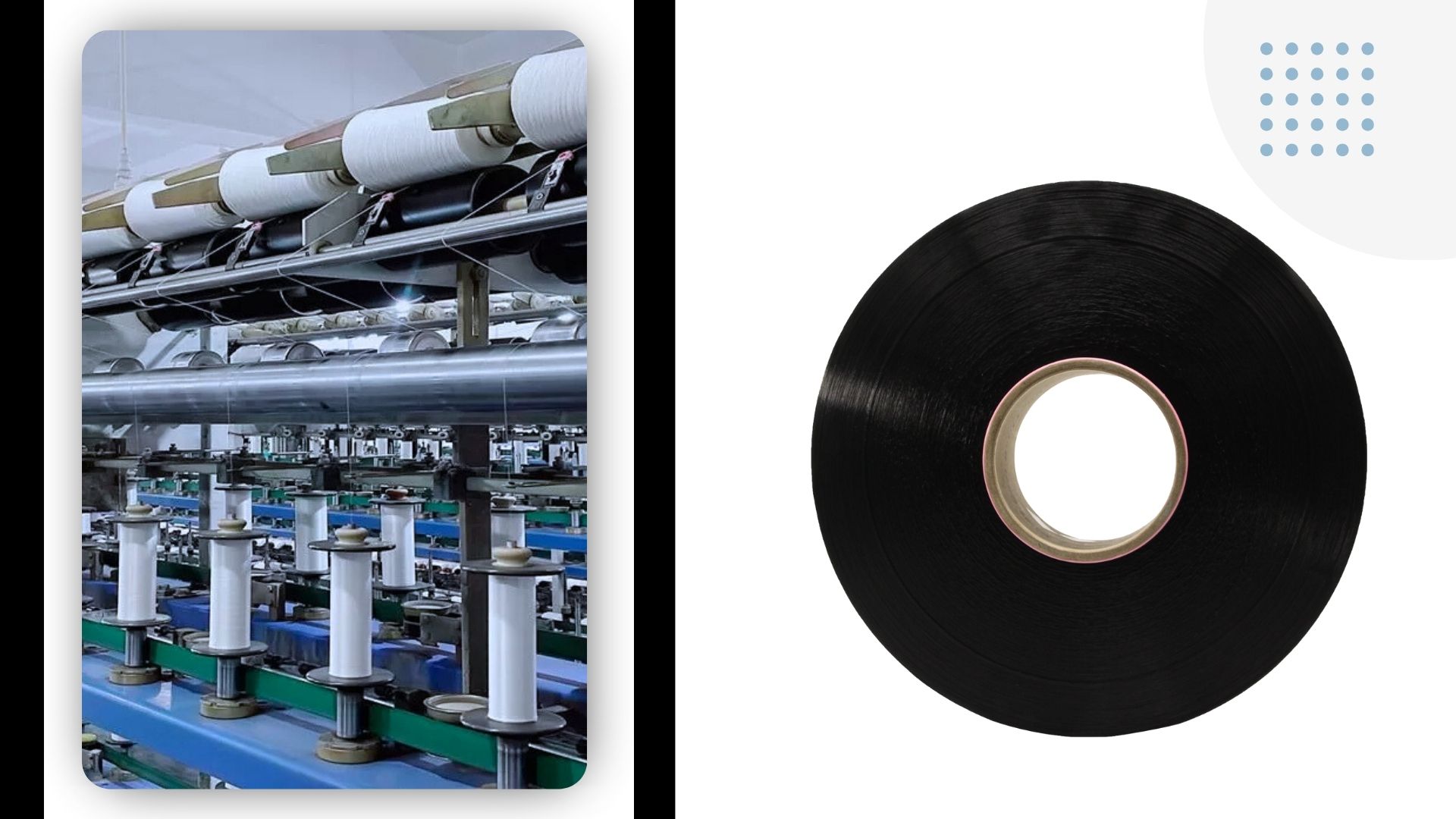
Task-specific LED arrays are designed to provide optimal illumination exactly where it's needed most in the workplace.
Unlike traditional lighting solutions, which may cast a uniform glow that doesn't cater to specific tasks, these LED arrays can be strategically positioned to highlight work areas, ensuring that operators have the best visibility when performing intricate tasks.
This targeted lighting reduces the strain on the eyes, allowing workers to focus better and reducing the likelihood of errors caused by poor visibility.
Enhanced lighting not only contributes to comfort but also improves overall productivity by enabling workers to perform their tasks more effectively.
Shadow-reduction systems are innovative lighting solutions that eliminate dark spots in work areas, which can cause eye strain and hinder visibility.
These systems use advanced design techniques to distribute light evenly, minimizing shadows that may obscure important details during production.
By providing consistent and uniform lighting, workers can maintain their focus and avoid the discomfort associated with straining to see.
This improvement in visual clarity not only enhances comfort but also boosts confidence in task performance, ultimately leading to higher quality outputs.
Circadian rhythm lighting adjusts the color temperature of light throughout the day to align with natural human biological rhythms.
Mimicking the changes in natural light, this innovative lighting system helps maintain alertness and energy levels among workers.
Research shows that exposure to cooler, bluish light during the day can enhance focus and productivity, while warmer tones in the evening can promote relaxation.
Implementing circadian rhythm lighting in the workplace not only enhances well-being but also optimizes performance, ensuring that operators remain engaged and productive throughout their shifts.

Ergonomic design significantly reduces the need for micro-breaks, allowing operators to maintain focus for longer periods.
When workstations are designed with comfort in mind, operators experience less physical strain and fatigue, which means they can concentrate on their tasks without frequent interruptions.
This sustained focus not only enhances productivity but also fosters a more efficient workflow, as operators can complete tasks without the need to step away for rest.
Fewer breaks translate to more time spent on productive activities, ultimately benefiting the overall output of the operation.
An ergonomic workplace leads to reduced error rates, as comfortable and alert workers are less likely to make costly mistakes.
When operators are provided with tools, controls, and environments that prioritize their physical well-being, they can perform their tasks with greater precision and confidence.
This decrease in errors not only enhances product quality but also minimizes waste and rework, resulting in significant cost savings for manufacturers.
By prioritizing ergonomic design, companies can create a more reliable and efficient production process.
Intuitive interfaces and ergonomic designs facilitate faster changeovers in production processes.
When operators can easily navigate machines and make adjustments without excessive effort or confusion, the setup process becomes quicker and smoother.
This efficiency is crucial in environments where time is money, as faster changeovers lead to increased production capacity and reduced downtime.
Investing in user-friendly designs, manufacturers can ensure that operators are equipped to handle transitions swiftly, maximizing output and maintaining flexibility in production.
Conclusion
Ergonomic nylon 6 machinery represents the perfect marriage of human factors engineering and industrial performance.
By reducing fatigue and discomfort, these designs don't just create happier workplaces—they drive measurable improvements in quality, efficiency, and safety.
In an industry where skilled operators are invaluable, equipment that cares for your team is equipment that cares for your bottom line.
Prioritizing ergonomic principles in machinery design, businesses can enhance operational effectiveness while fostering a culture of well-being and productivity among their workforce.

Copyright © 2019-2022 Zhejiang Leinuo Textile Technology Co., Ltd. All Rights Reserved. Privacy policy Terms and Conditions
 EN
EN  AR
AR NL
NL FR
FR DE
DE HI
HI IT
IT JA
JA KO
KO NO
NO PL
PL PT
PT RO
RO RU
RU ES
ES SV
SV ID
ID LV
LV LT
LT SR
SR SK
SK SL
SL UK
UK VI
VI TH
TH TR
TR FA
FA AF
AF MS
MS SW
SW GA
GA CY
CY BE
BE IS
IS MK
MK YI
YI HY
HY AZ
AZ EU
EU KA
KA HT
HT UR
UR BN
BN BS
BS CEB
CEB EO
EO GU
GU HA
HA HMN
HMN IG
IG JW
JW KN
KN KM
KM LO
LO LA
LA MI
MI MR
MR MN
MN NE
NE PA
PA SO
SO